Our qualified exercise physiology services create individualised programs to enhance mobility, manage chronic illnesses, disability and improve overall health outcomes. Whether you’re looking for exercise physiology or an exercise physiologist near me, our team is ready to provide expertise and compassionate care, close to home or even in home!
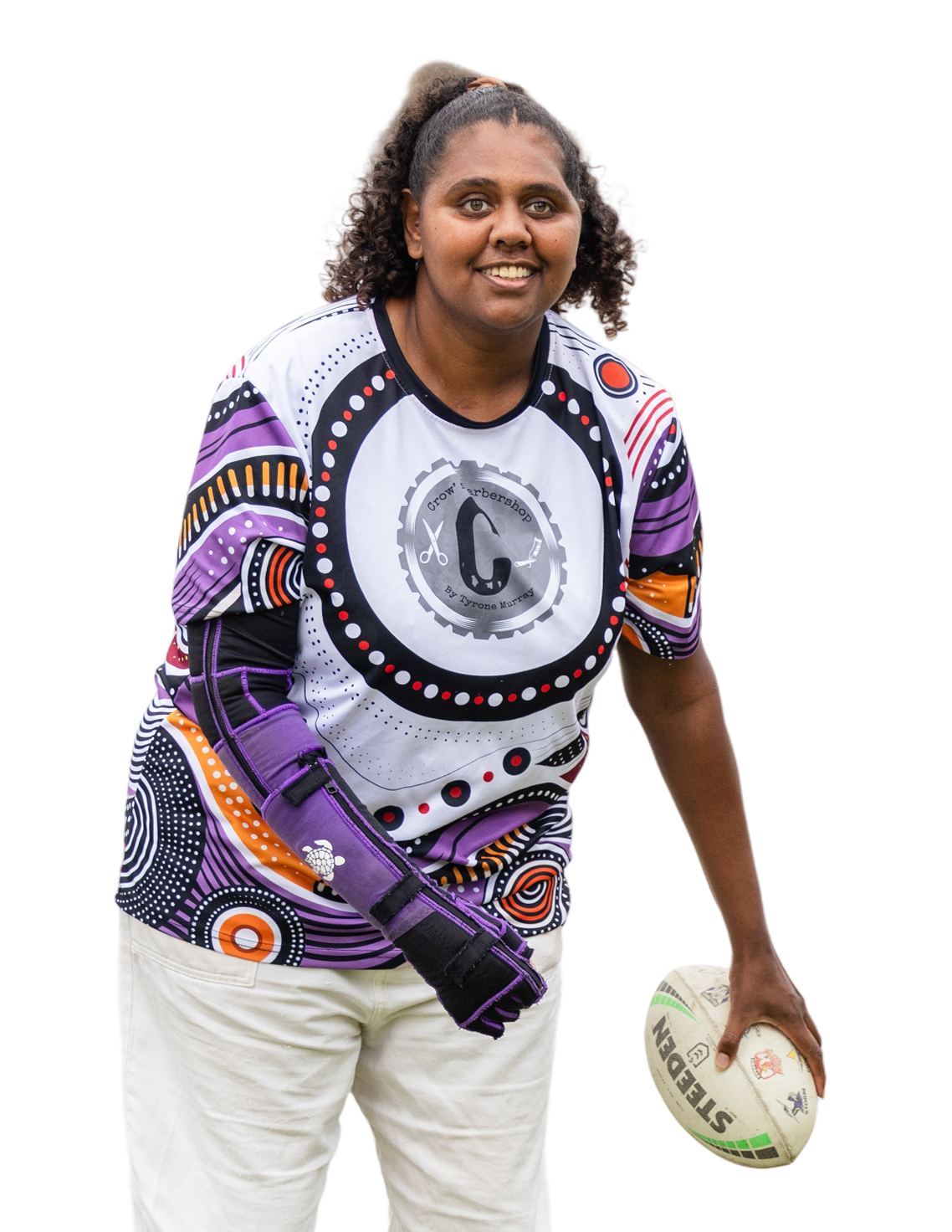
Our exercise physiology services are integrated into a multidisciplinary allied health framework that includes speech pathology, occupational therapy and nursing care.
This collaborative approach allows our exercise physiologists to work closely with other health professionals, ensuring each client receives a well-rounded care plan that addresses their unique needs. For individuals managing conditions like cardiovascular disease, diabetes, arthritis, or injury recovery, exercise physiology at Best Life Individual Support Services offers tailored interventions that improve physical function and support better long-term health.
By offering a diverse range of allied health services, Best Life Individual Support Services aims to provide each client with a complete support system, empowering them to achieve their health goals effectively.
Exercise Physiology services are allied health supports that use safe, structured exercise to help people improve their physical function, health, and overall wellbeing—especially when they have a disability, injury, or chronic health condition.
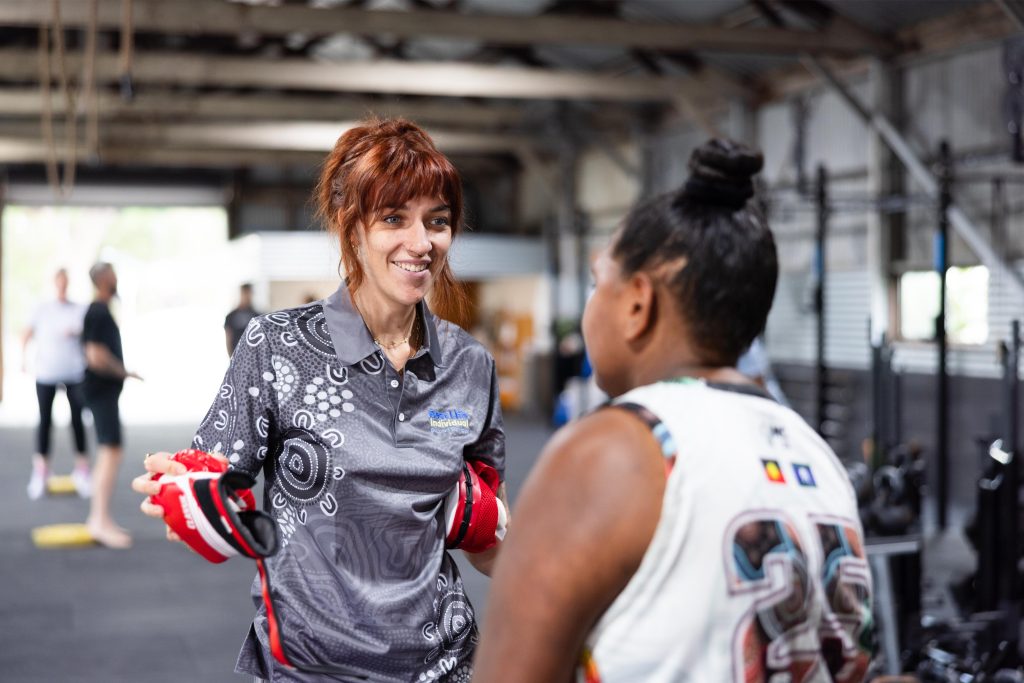
Exercise Physiology services are delivered by Accredited Exercise Physiologists (AEPs). These professionals are trained to assess a person’s physical abilities and design individualised exercise programs that are safe, evidence-based, and tailored to the person’s needs and goals.
Under the NDIS, Exercise Physiology is considered an allied health, capacity-building support.
Sessions can take place in a clinic, at home, in the community, or via telehealth.
Services may include:
Exercise Physiology services do not usually cover:
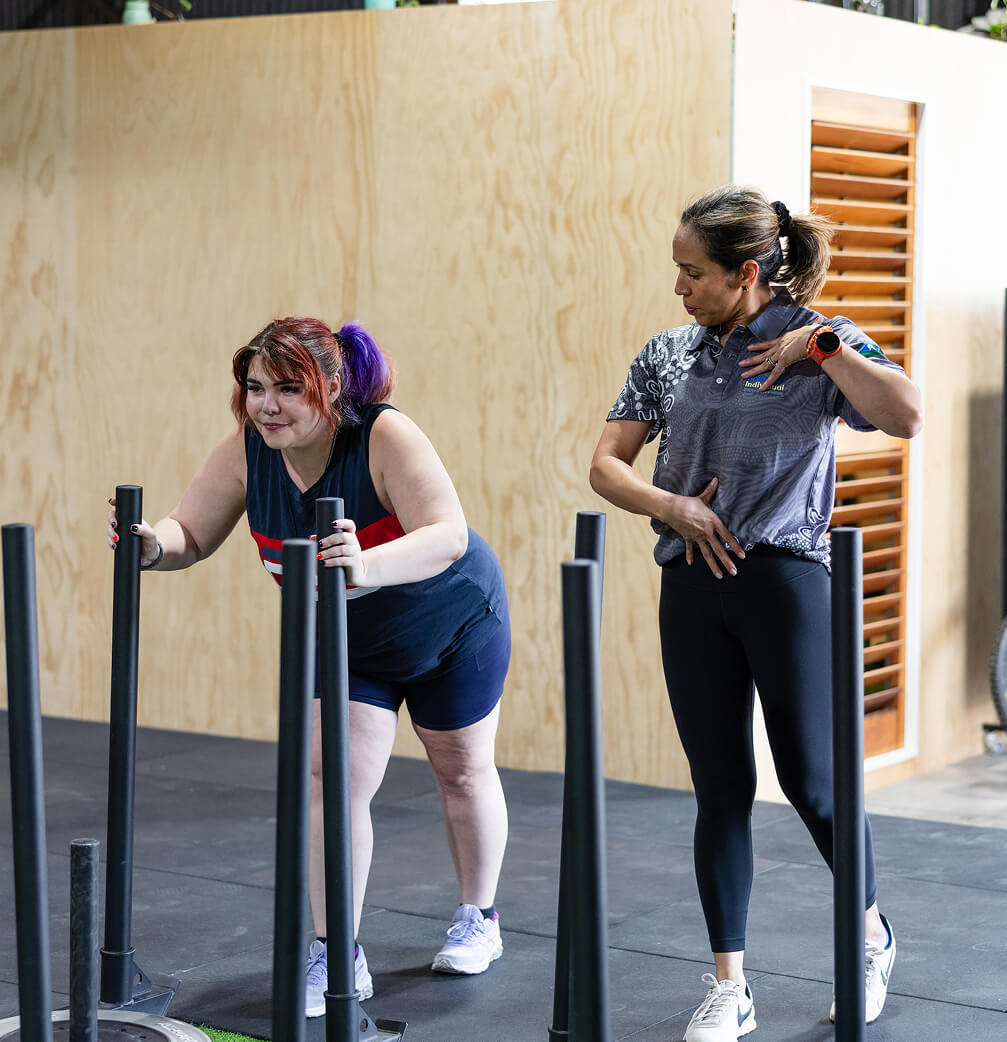
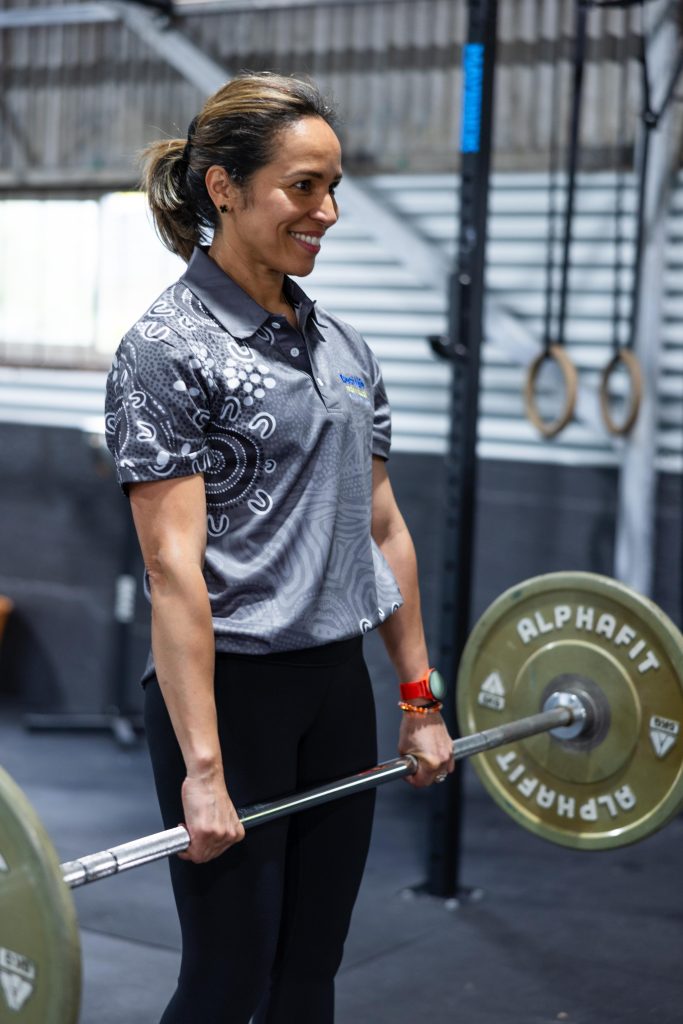
Exercise Physiology services are suitable for people who:
Exercise Physiology services may support people with:
Programs are adapted for people with physical, intellectual, psychosocial, or neurological disabilities.
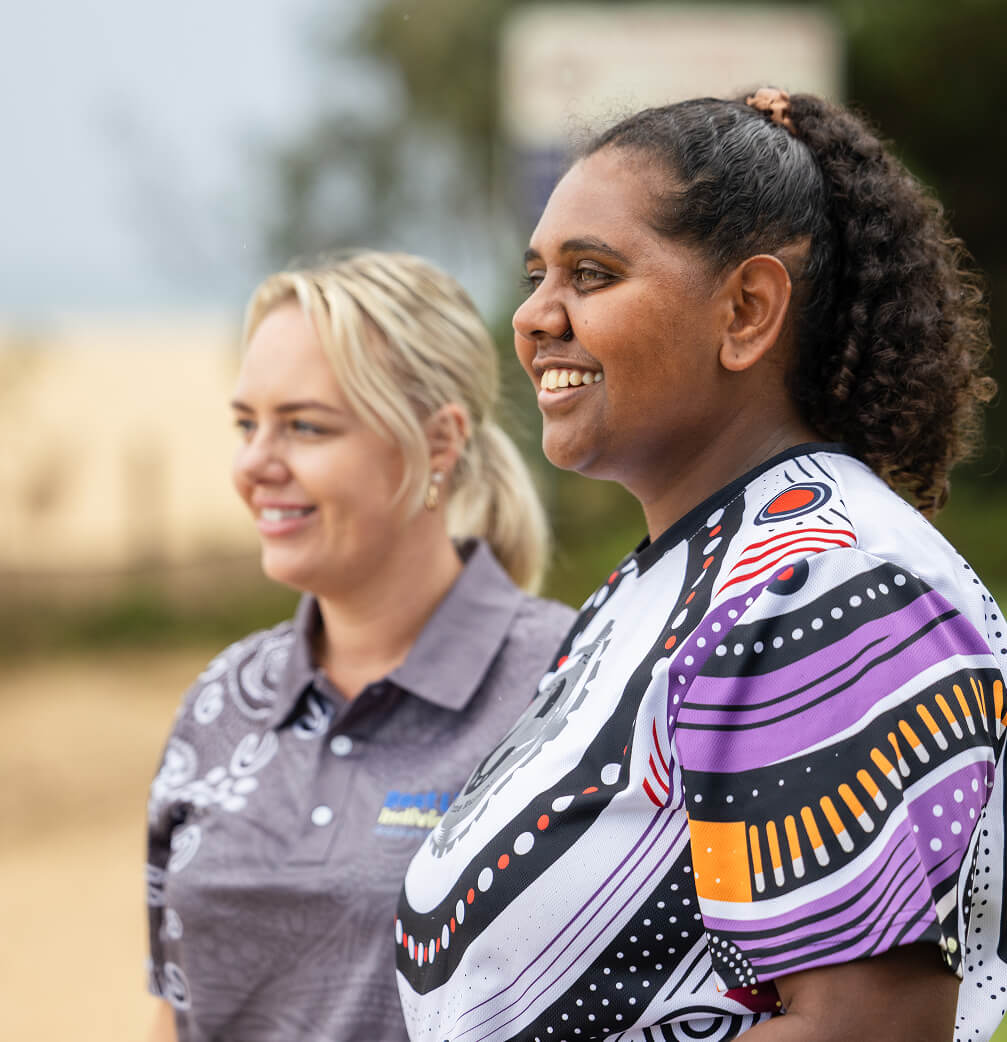
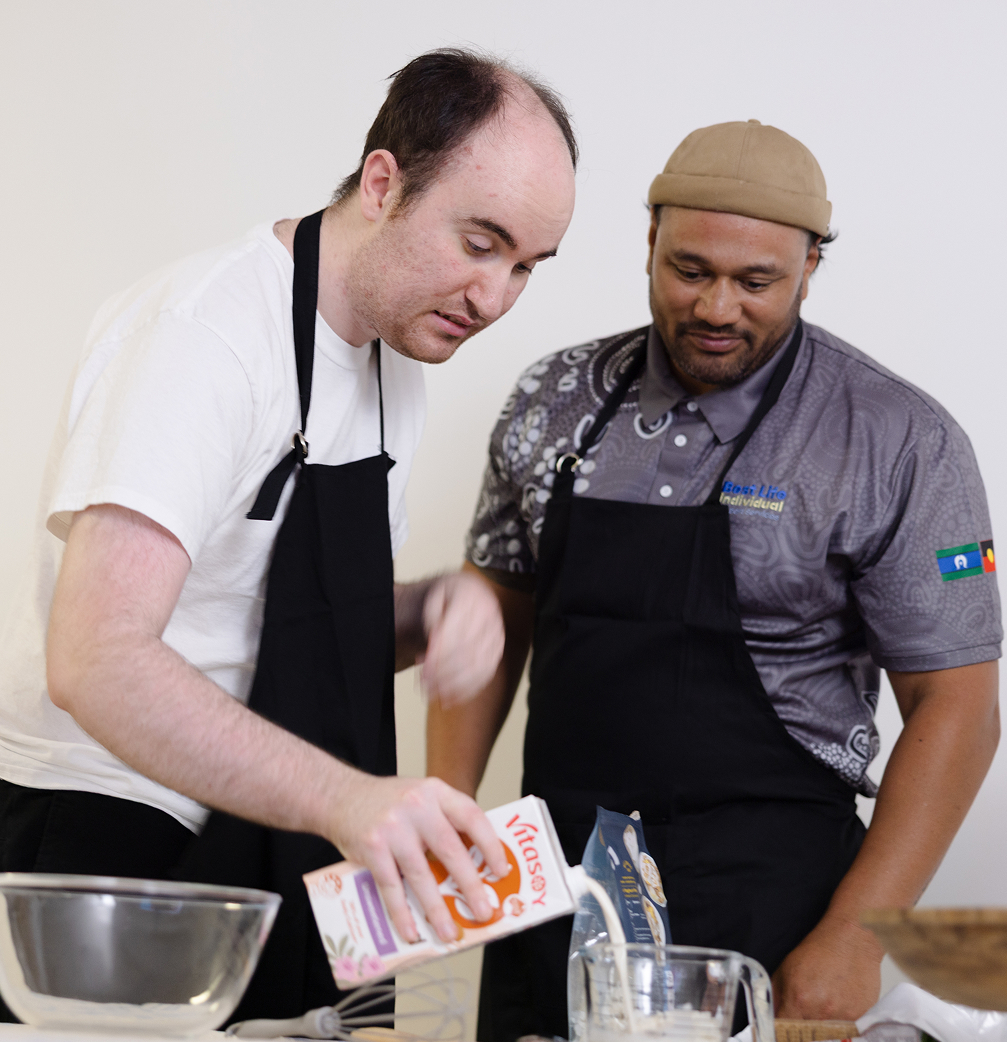
The goal is to:
Help people move better, feel stronger, and live healthier, more active lives in a safe and supportive way.